In the competitive clinical landscapes, clinics are constantly searching for ways to differentiate their services, attract a consistent stream of private patients, and build a reputation for clinical excellence. While many practices offer generalised treatments for common ailments like back pain, a significant opportunity exists for those willing to specialise. Facet joint syndrome, a prevalent and often mismanaged cause of chronic low back pain, represents one such niche. This article explores the limitations of traditional treatments for facet joint pain and positions SMART Decompression Technology (Spinal Mobilisation and Rotational Therapy) as the missing link: a unique, evidence-based solution that enables clinics to become recognised specialists, justify premium service fees, and achieve sustainable growth.
The Diagnostic and Treatment Challenge of Facet Joint Syndrome
Facet joint syndrome, a condition characterised by the degeneration and inflammation of the spinal facet joints, accounts for a substantial portion of chronic low back pain cases, affecting up to 41% of patients with this complaint [1]. These synovial joints, which are crucial for spinal stability and movement, are richly innervated and can become a significant source of debilitating pain. Despite its prevalence, facet joint syndrome remains a clinical challenge. Diagnosis is often complex, as imaging studies like MRI and CT scans can be inconclusive, and the most reliable diagnostic method, a local anaesthetic block, is invasive and not always definitive [2].
Traditional treatment approaches, including standard spinal decompression, often fall short of providing lasting relief. Conventional decompression therapy primarily focuses on the intervertebral discs and neural structures, failing to address the specific biomechanical dysfunction of the facet joints themselves. Research indicates that such therapies can be ineffective for pain originating from inflammatory or unstable joint conditions, which are hallmarks of facet joint syndrome [3]. This treatment gap leaves a significant patient population underserved and searching for a more effective solution.
Treatment Approach: Limitations for Facet Joint Syndrome
- Traditional Spinal Decompression: Primarily targets intervertebral discs, not facet joint articulation. Ineffective for inflammatory joint pain and spinal instability.
- Radiofrequency Neurolysis: Offers temporary relief as nerves regenerate, necessitating repeat procedures. Does not address the underlying joint dysfunction.
- Facet Joint Injections: Diagnostic and therapeutic benefits can be inconsistent and short-lived. Fails to provide a long-term solution for many patients.
SMART Decompression Technology: A Targeted Solution for Facet Joint Articulation
The limitations of conventional methods highlight the need for a more targeted approach. SMART Decompression Technology offers a compelling, evidence-based alternative that directly addresses the pathophysiology of facet joint syndrome. This advanced technology incorporates mobilisation with movement (MWM), a technique that involves sustained joint gliding during active movement, combined with rotational therapy components. This dynamic approach, often integrated with positional traction, provides a dual benefit: it decompresses the inflamed facet joints while simultaneously restoring normal, pain-free movement patterns.
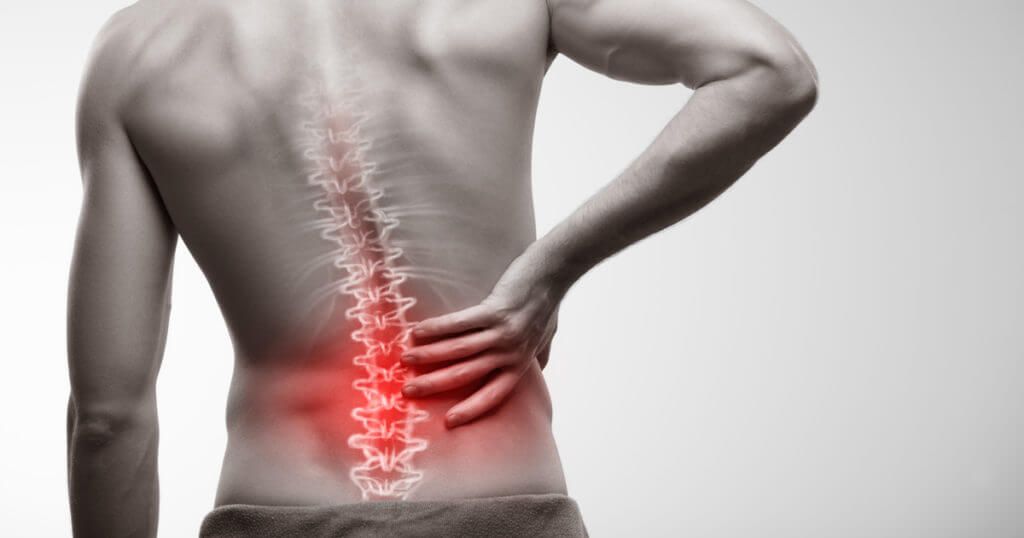
Clinical evidence strongly supports the efficacy of SMART Decompression Technology. Studies on mobilisation techniques for locked or dysfunctional facet joints demonstrate immediate and substantial pain reduction, coupled with significant improvements in function [4]. Research integrating positional traction with mobilisation with movement has shown superior clinical outcomes for patients with facet joint syndrome, leading to greater reductions in pain and disability and improved range of motion compared to conventional physiotherapy or traction alone [5]. By focusing on the precise articulation of the affected joints through rotational and mobilisation components, SMART Decompression Technology represents a fundamental shift from managing symptoms to correcting the underlying mechanical fault.
The Mechanism Behind SMART Decompression Technology
What sets SMART Decompression Technology apart is its dual-action mechanism. The spinal mobilisation component provides targeted joint gliding that reduces mechanical compression and inflammation within the facet joint capsule. The rotational therapy element restores segmental mobility and proprioceptive feedback, allowing patients to regain functional movement without pain. When combined, these components activate the body's natural pain-inhibitory pathways, providing both immediate relief and long-term functional restoration [5].
Unlike passive decompression methods that simply unload the spine, SMART Decompression Technology actively engages the patient in restoring movement, leading to better outcomes and greater patient compliance. This active-passive hybrid approach addresses not only the acute pain, but also the underlying movement dysfunction that perpetuates facet joint syndrome.
Building a Niche Practice Around SMART Decompression Technology
For clinic owners worldwide, developing expertise in SMART Decompression Technology offers a powerful strategy to capture a niche market and stand out in a saturated environment. By positioning your practice as a specialist centre for the treatment of facet joint syndrome using this advanced technology, you can attract a specific, motivated patient demographic that is actively seeking effective solutions beyond what generalist clinics can offer.
This specialisation provides a clear rationale for a premium pricing structure. Patients are willing to pay for expertise, especially when it promises a solution to chronic pain that has been resistant to other treatments. As a recognised expert in SMART Decompression Technology, your clinic becomes a destination for this patient cohort, reducing reliance on GP referrals and building a strong word-of-mouth reputation. According to business strategy experts in the Australian healthcare market, niching is the key to sustainable growth, allowing clinics to become memorable, referable, and trusted [6].
"Niching doesn't limit your opportunities; it amplifies them. When you specialise, you become memorable, referable, and trusted." - Culture of One [6]
The Business Case for Specialisation
The financial case for specialising in SMART Decompression Technology is compelling. When a clinic develops a clear niche around this technology, several factors align to drive profitability:
- Premium Pricing Justification. Specialised expertise commands higher fees. Patients seeking a solution for chronic facet joint pain are less price-sensitive and more outcome-focused than those seeking general physiotherapy.
- Improved Patient Conversion. Clear messaging about SMART Decompression Technology's effectiveness attracts the right patients, those most likely to benefit and most likely to refer others.
- Enhanced Patient Retention. Patients who experience rapid pain relief and functional improvement through SMART Decompression Technology are more likely to complete their treatment course and recommend the clinic to others.
- Reduced Marketing Costs. A clear specialist positioning generates organic referrals and word-of-mouth marketing, reducing reliance on expensive advertising campaigns.
- Team Differentiation. Each practitioner can develop expertise in SMART Decompression Technology, creating internal specialisation that expands service capacity without competing internally for the same generic patient pool.
In the Australian context, where the physiotherapy market is increasingly saturated, clinics that remain generalist face mounting pressure to compete on price. Those that specialise in SMART Decompression Technology for facet joint syndrome position themselves as solution providers rather than commodity service providers, creating a sustainable, profitable business model.
Why Facet Joint Syndrome Represents an Ideal Niche
Facet joint syndrome is an ideal specialisation niche for several reasons. First, it is highly prevalent, affecting millions worldwide, yet significantly underserved. Most clinics lack the specific expertise to diagnose and treat it effectively, leaving a large patient population searching for answers. Second, patients with facet joint syndrome are typically motivated and willing to invest in treatment, as the condition significantly impacts their quality of life and function. Third, the condition is often chronic and recurrent, creating ongoing patient relationships and repeat business opportunities.
Furthermore, facet joint syndrome patients often have a history of failed treatments—they have tried standard physiotherapy, injections, or other interventions without lasting relief. When they discover a clinic offering SMART Decompression Technology, they are primed to try this new approach, and the superior outcomes often deliver immediate, compelling results that drive strong patient satisfaction and referrals.
The Competitive Advantage of SMART Decompression Technology
In a market where many clinics offer similar services, SMART Decompression Technology provides a defensible competitive advantage. It is not a generic treatment that every practitioner can offer; it requires specific although simple training, skill development, and ongoing refinement. This creates a barrier to entry that protects your market position and allows you to maintain premium pricing.
Moreover, as you build a reputation for excellence in SMART Decompression Technology, you attract not only patients but also referral sources (GPs, specialists, and other healthcare providers) who recognise your expertise and refer their most challenging facet joint cases to you. This creates a virtuous cycle of reputation, referrals, and revenue growth.
Facet joint syndrome presents a significant clinical challenge and an untapped market opportunity for Australian clinics. Traditional decompression and other standard interventions often fail to provide a definitive solution, leaving patients in a cycle of recurring pain and functional limitation. SMART Decompression Technology offers a clinically validated method to decompress and articulate the facet joints, delivering superior outcomes that conventional approaches cannot match.
By embracing SMART Decompression Technology and building a specialised practice around it, clinic owners can differentiate their practice in a crowded market, command premium fees justified by superior clinical results, and create a thriving business focused on clinical excellence and a specific, underserved patient population. The missing link in facet joint treatment has been found. The question now is: will your clinic become known as the specialist centre for SMART Decompression Technology in your region?
References
[1] Perolat, R., et al. (2018). Facet joint syndrome: from diagnosis to interventional management. Insights into Imaging.
[2] Du, R., et al. (2022). Facet Joint Syndrome: Pathophysiology, Diagnosis, and Treatment. Journal of Pain Research.
[3] Performance Pain & Sports Medicine. (n.d.). Pros And Cons Of Spinal Decompression Therapy.
[4] Exelby, L. (2001). The locked lumbar facet joint: intervention using mobilizations with movement. Manual Therapy.
[5] Saptale, A., et al. (2025). Effects of Positional Traction Integrated With Mobilization With Movement on Cervical Facet Joint Syndrome. Cureus.
[6] Culture of One. (n.d.). How to Attract Private Patients to Your Physio Practice.